Marr Memories: Get Me To The Church On Time

Benjamin and Drew Marr (Langley Centennial Museum) Wedding Day Mishap As told by Ann Marr, granddaughter of Benjamin & Drew Marr “My grandparents were married on September 10th, 1913, on a Wednesday afternoon in the Presbyterian Church (now St. Andrews). This is the story of the events that I grew up with: The best-man was Dr. M.C. Bagnall, who arrived at Jardine Station from Vancouver on the B.C. Electric Railway. Grandfather was there to meet him with a spirited team of for the two mile trip back to Fort Langley. All went well and at a fast clip, until not too far from their new home, a trace broke causing the wheels to jam. The buggy flipped over throwing Dr Bagnall clear, but dragging Grandfather for quite some distance. Now what about the vase? This was the best-man’s gift to the bride. It too was in the buggy and thrown [...]

2020-05-27T05:59:50+00:00February 13th, 2019|

A Milner Timeline

Ellen Worrell (nee Monahan) is a longtime member of the Langley Heritage Society who moved to Milner in 1950 after marrying her husband Jack. She grew up in nearby Murrayville, where her father made deliveries for Porters Store. Ellen collects all things Milner, and has filled binders with photos, newspaper clippings and specific details about people, buildings, and community events. We're using that information to create a Milner Timeline. This rural community begin to take shape with the sale of the Hudson’s Bay Company farmlands in 1877 (in production since the 1830s). For a while, Milner was the centre of activity in the Langley region, boasting a general store, blacksmith shop, two churches, community hall, livery stables, B.C. Electric Station, B.C. Telephone exchange, cheese factories and numerous farms. Commercial agriculture in the Lower Mainland began here. Pioneer John Smith told the British Columbian Newspaper in 1910, “You can plough a [...]

2020-05-27T05:59:51+00:00January 20th, 2019|

1911 Cougar Hunt in the City

  As a young boy Langley's Max Michaud set out to cross a log over the Nicomekl River which flowed directly behind his parents' home, but the family dog would not let him continue.  It turns our that a cougar was waiting in the bush on the other side of the river, and for years, Max maintained the dog had saved his life.  He later grew into a crack shot, and legend has it that he could shoot a salmon leaping out of the water for a fly. Cougar Hunt in Stanley Park In October of 1911 Max found himself joining a Fraser Valley posse on the hunt for a cougar with an appetite for deer and goats at the Stanley Park Zoo. Vancouver police had unsuccessfully tried to track it -- as had a big game hunter and other local huntsmen. The Province newspaper offered a $50 reward to the [...]

2021-06-12T23:15:11+00:00January 1st, 2019|

Excelsiors Born Again: Fort Langley man builds 100 year old motorcycles from scratch

Paul Brodie in the shop with one of his 1919 era Excelsiors. He has raced the bike, and plans to do so again during the 100th anniversary year. It can hit speeds of 135 mph (217 kilometres per hour).   Not many people have a vintage Aermacchi racing motorcycle parked in their dining room. Fort Langley's Paul Brodie does. His life has revolved around building two-wheeled vehicles ever since grade 7 when he first fashioned a mini-bike powered by a 2 ½ horsepower lawnmower engine. Later came bicycle frames and his own brand, the Brodie Mountain Bike, which eventually earned him a place in the Mountain Bike Hall of Fame.  He moved on to motorcycle restoration work and more recently, hand-built vintage motorcycles.  Says Paul, “My shop is larger than my house.” His current project marks the 100th anniversary of the Excelsior racing motorcycle. A century ago, Excelsior was one [...]

2024-11-22T04:51:25+00:00December 11th, 2018|

The Farmers’ Drift

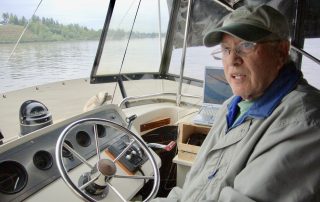
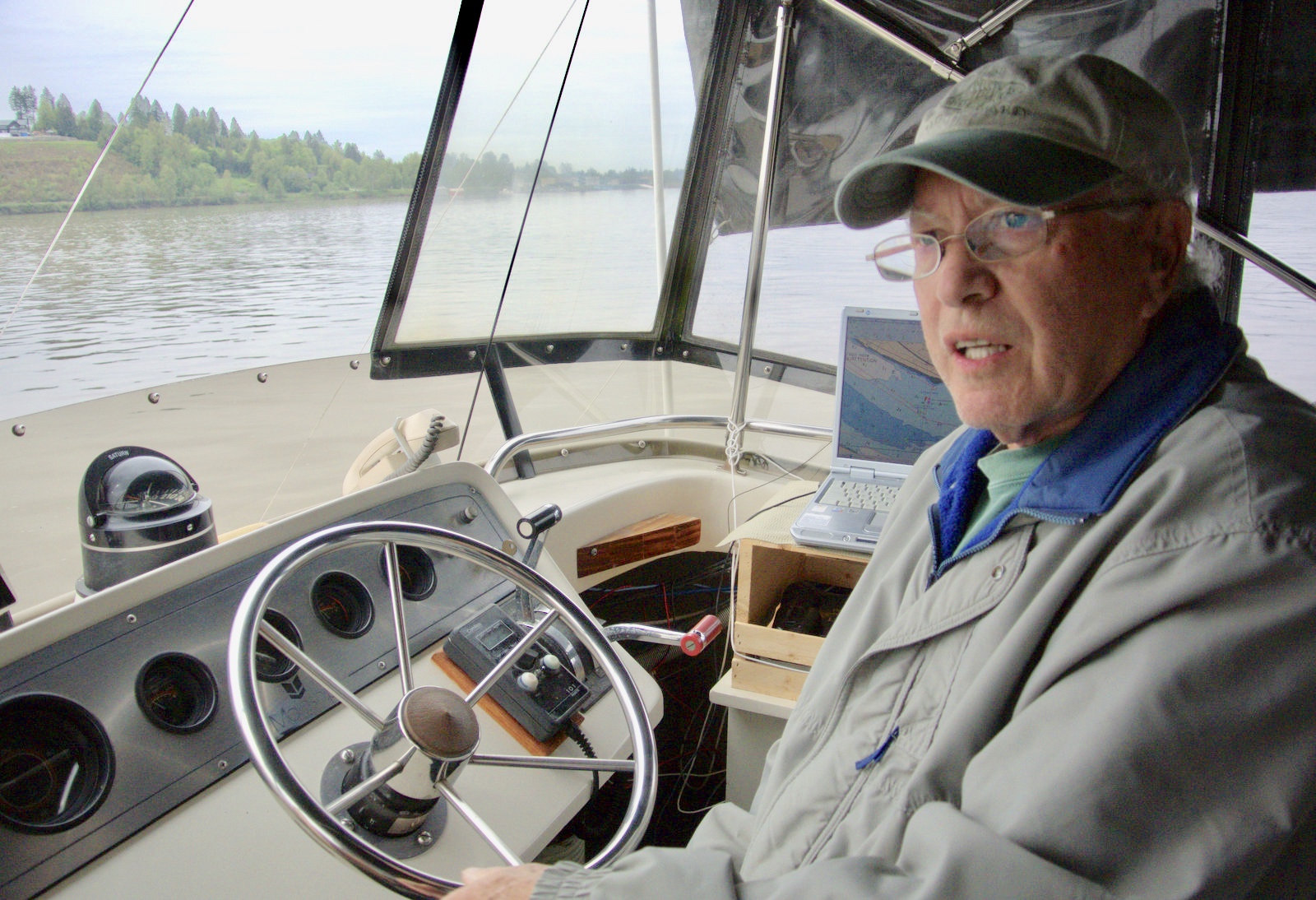
Bob Armstrong came from a farm family and remembers fishing on the Fraser River in the 1950s to supplement income. Bob has lived most of his life near Fort Langley. Armstrong Road above the Fraser River is named after his great-grandfather William Armstrong, one of the 49ers who came to North America from England for the California gold rush. Eventually he wound up farming on the top of what’s known today as Armstrong Hill. Bob writes about gillnetting on the Fraser River in the 1950s and early 60s: "Gillnetting on the Fraser River was an opportunity for people living along the river to supplement their income, including farmers, loggers and mill workers. This was very important to the local economy on both sides of the Fraser River. The Farmers Drift was so named because most of the fishermen in the 1920s and 30s were local farmers.  I'm from a fishing, logging [...]

2024-11-22T19:13:31+00:00December 10th, 2018|

A Love Story: War Bride Arrival

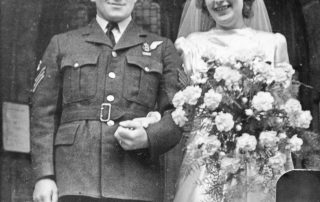
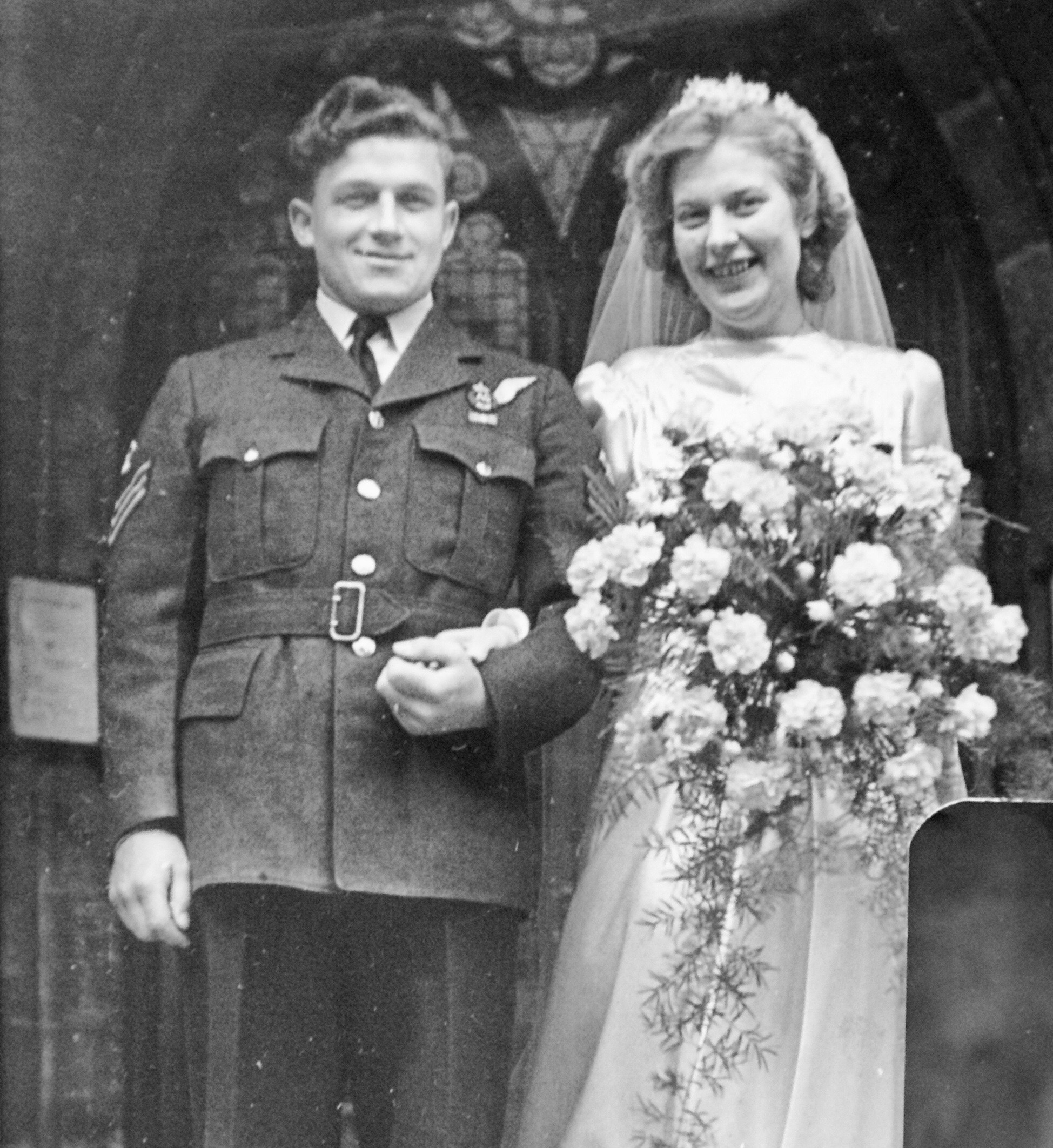
A world at war brought them together. Lois Cross met Canadian air gunner Ross Bowling while he was serving overseas with 422 Squadron. Lois worked in the payroll department at the Beighton Colliery at Sheffield, she loved to dance, (her future husband did not) and experienced her share of catcalls and whistles from American servicemen stationed in the city. She was not amused. Eventually she met Ross, a cousin of family friends. A whirlwind romance ensued, and they married on July 1st 1944.  (His sister-in-law, Christine Cross, has remarked this was the fastest decision she ever saw him make.) A large trunk inside the waiting room at Fort Langley CN Station tells the next part of the story: when Lois stepped off the train in 1946 she became the first war bride to arrive in Fort Langley. Some 48,000 young women met and married Canadian servicemen during the Second World [...]

2024-11-21T06:07:16+00:00November 10th, 2018|

Before GPS: Mile Markers on the Fraser Highway

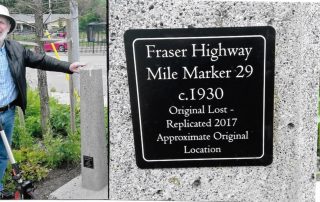
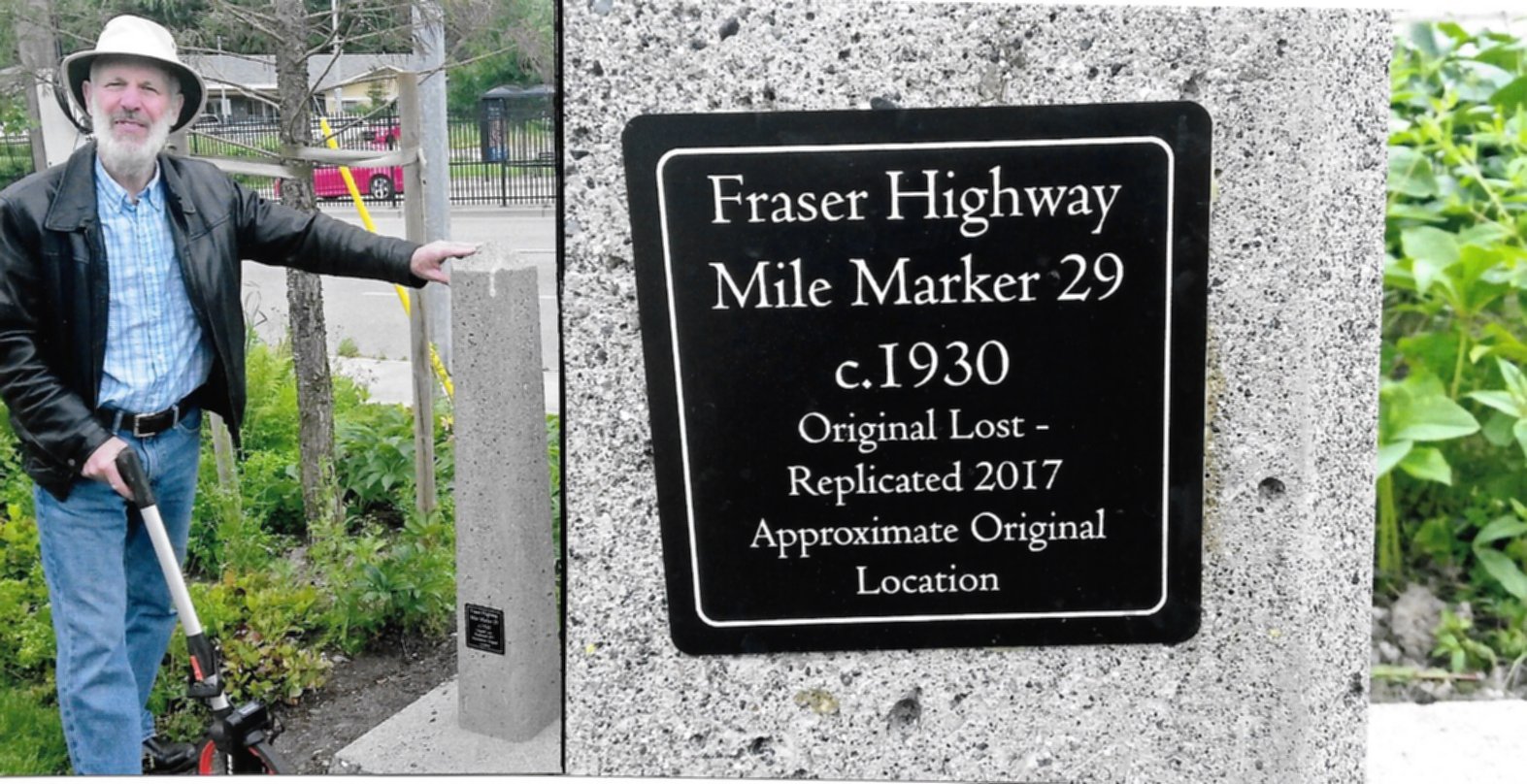
  Langley Heritage Society's Jim Foulkes helped locate the original mile markers in Langley.  It was a treasure hunt that paid off. The Township of Langley and its volunteer Heritage Advisory Committee located the original concrete mile markers that once stood beside the Fraser Highway. Mile O began at the historic Main Post Office (1905) at Main & Hastings in Vancouver, and moved eastward through the Fraser Valley. Seven of nine original  mile markers erected in the early 1930s in Langley Township were located with the help of historic surveyor (and Langley Heritage Society board member) Jim Foulkes. The originals were restored and two replicas were created to replace the two missing markers. Nine mile markers now stand on the south side of the Fraser Highway between Murrayville and Aldergrove, a visible link to the region's modern transportation history, which began with the gold rush trails in 1858, and later [...]

2024-11-27T00:11:30+00:00November 1st, 2018|

Early Spirits on Langley Prairie

B.C. was the first province to regulate the sale of alcohol through government liquor stores, beginning in 1921. Langley Prairie’s first store (today’s Langley City) operated from 1923 to 1933. Former B.C. Liquor Control board employee Ron Hyde helped oversee construction of stores around the province, and sent us these photographs that were destined for the trash heap when the B.C. Liquor Control Board split into the B.C. Liquor Control & Licensing and the Liquor Distribution Branch. A long time historian, Ron never throws away anything of value.   Ron says, "The second Langley Prairie store operated from this (above) location from 1933 – 1941. The liquor store is in the slanted corner of the building with some great views of businesses along the street with store signs etc. The liquor store windows have curtains on them which was a requirement by the B.C. Liquor Control Board on all their [...]

2024-11-22T05:18:46+00:00October 31st, 2018|

The Immigrant Shed

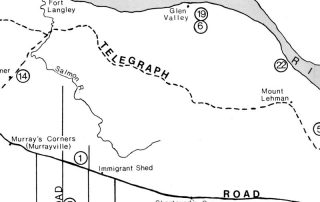
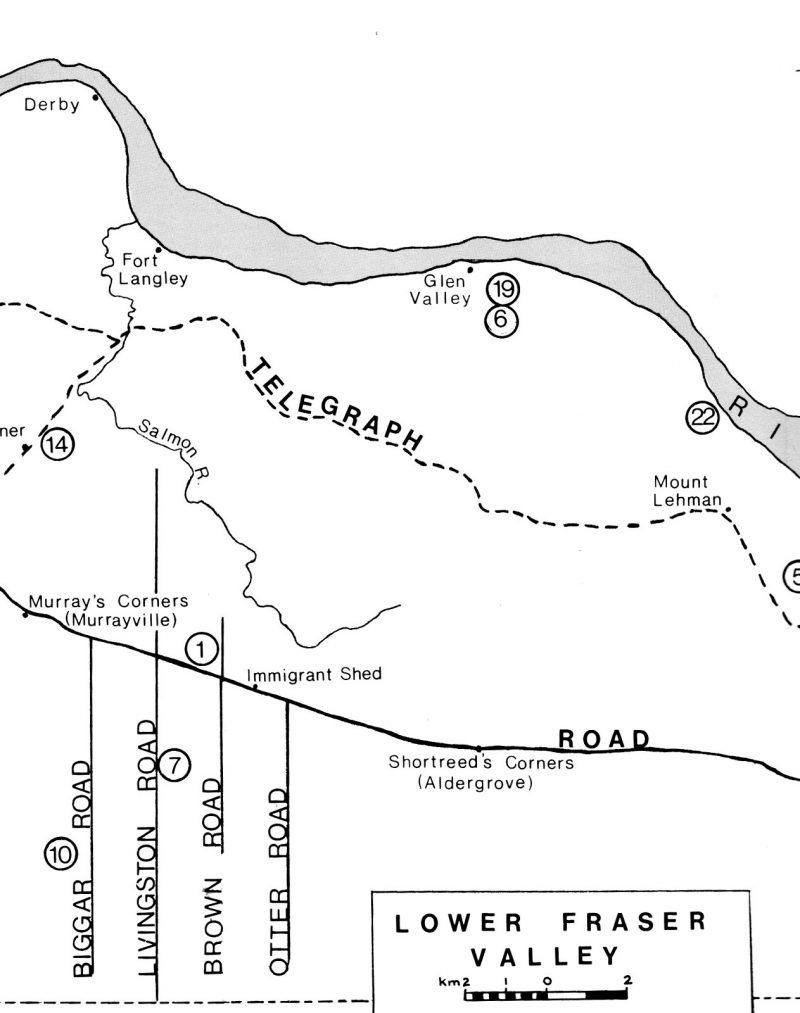
Between 1959 and 1966, CBC Radio’s Imbert Orchard travelled the province, interviewing nearly 1,000 B.C. pioneers, and in the process created the largest oral collection in North America. Some 2,700 hours of recordings with homesteaders, gold miners, road builders and loggers are now housed at the Provincial Archives. Some of his interviews were later published in the Sound Heritage series, including this entry from 1983 about the arrival of the Williams family in Langley in the late 1880s, when Langley was mostly forest. Bert Williams was four years when his family started homesteading in the hill country east of the Langley Prairie. They lived on what is still known as the Brown Road (240th Street), but it was then little more than a trail through the primeval forest. Here and there a settler was struggling to let in the sunlight and get a few acres on which to grow crops. Otherwise [...]

2024-11-22T05:09:32+00:00October 31st, 2018|

From Royal Engineer to Reeve

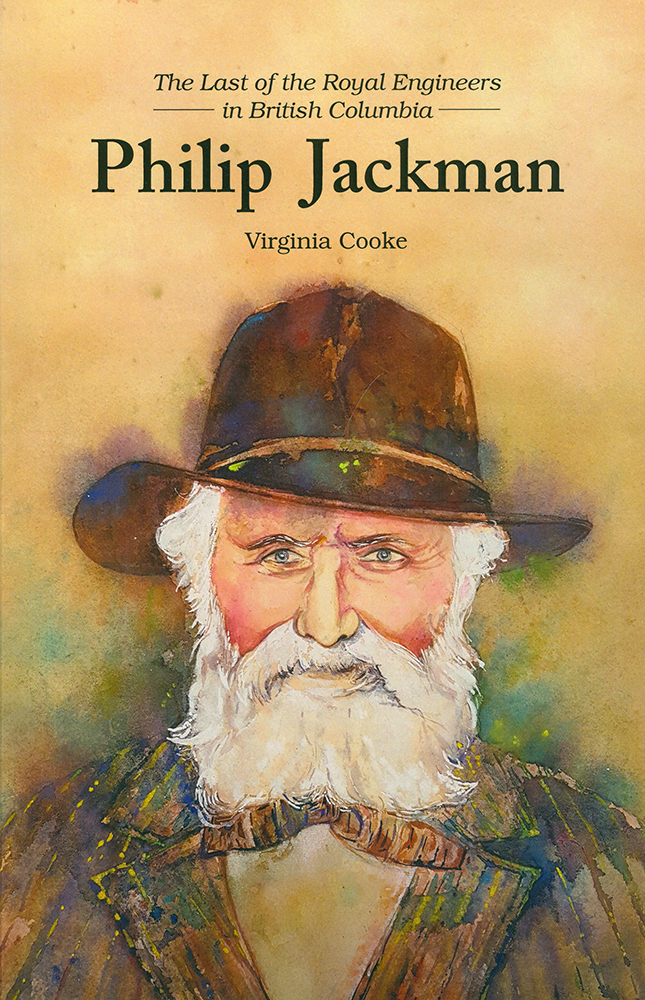
Langley pioneer Philip Jackman Philip Jackman was a young Royal Engineer with the Columbia Detachment who arrived in B.C. in 1859. The six month journey from England by ship was documented in the Emigrant Soldiers’ Gazette, a newspaper written during the journey (middle left).   Jackman’s life and work intersected with many aspects of the colony’s development: he helped build the Cariboo Wagon Road during the gold rush, was a night watchman who transported drunks in a wheelbarrow, a CPR employee who mutinied, an entrepreneur who operated a saloon and general store, and a fisheries guardian on the Fraser River. Phillip eventually settled in Aldergrove in 1886 with his wife. Philip Jackman Park honours him today.  He also served as reeve (or mayor) of Langley for three years (Council Minutes displayed lower right) and lived a long, productive life in his adopted country. Jackman died at age 92. Visit the Virtual [...]

2024-11-22T05:25:55+00:00October 31st, 2018|
Go to Top